


How Parents Can Inspire Lifelong Learning at Home

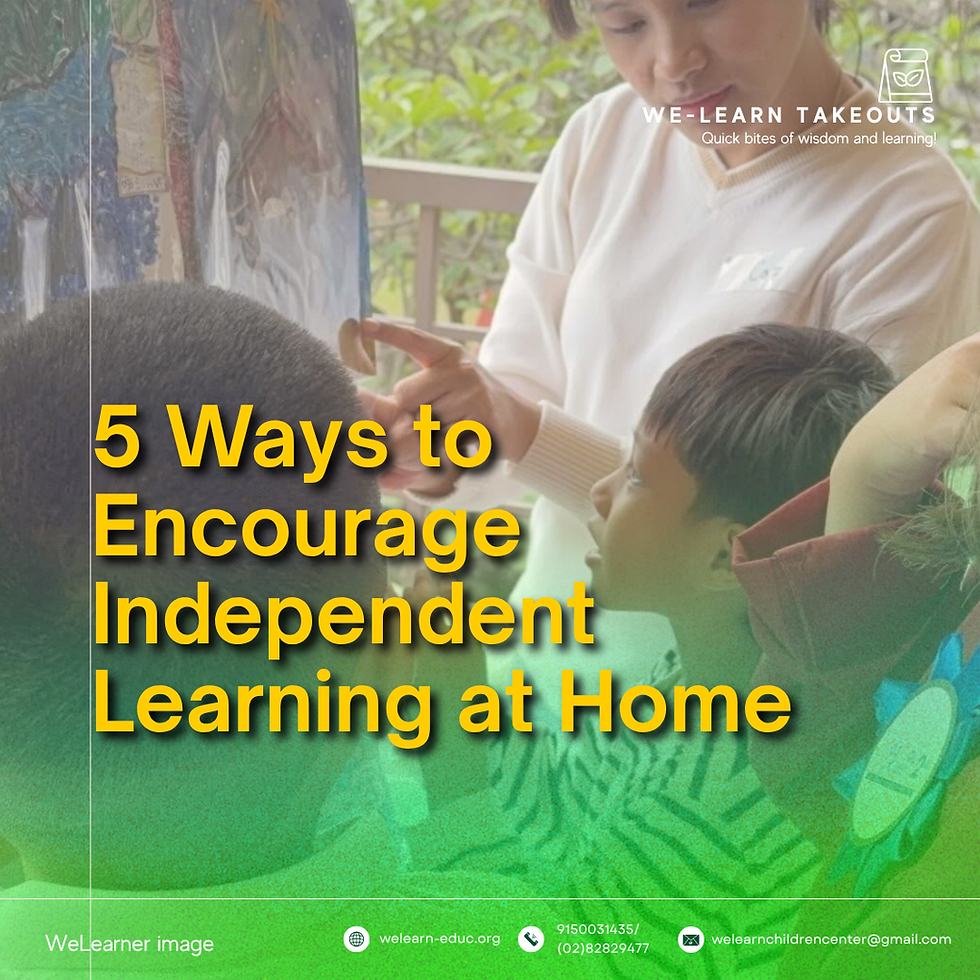
Independent learning is the ability to take responsibility for one's own learning by asking questions, exploring ideas, solving problems, and completing tasks with minimal guidance. When children learn independently, they develop confidence, responsibility, and a lifelong love for learning.
1. Encourage Curiosity
Curiosity is the foundation of learning. Instead of immediately giving answers, encourage your child to ask questions and discover solutions on their own. Welcome their "why" and "how" questions, explore topics together, and show them that learning is an exciting journey of discovery. A curious child becomes a motivated learner.
2. Create a Consistent Learning Routine
A predictable daily routine helps children develop discipline and time management skills. Set regular times for lessons, reading, creative activities, and breaks while allowing flexibility when needed. A consistent schedule helps children know what to expect and gradually teaches them to manage their own learning habits.
3. Let Them Set Small, Achievable Goals
Goal-setting teaches children to take ownership of their progress. Help them create simple daily or weekly goals, such as finishing a chapter, reading for 20 minutes, or mastering a new skill. Achieving these small milestones builds confidence, motivation, and a sense of accomplishment.
4. Give Age-Appropriate Choices and Responsibilities
Children become more independent when they have opportunities to make decisions. Let them choose which subject to study first, select a book to read, or decide how to complete a project. Giving appropriate responsibilities encourages problem-solving, decision-making, and accountability for their learning.
5. Celebrate Effort, Progress, and Perseverance
Independent learning grows when children understand that mistakes are part of the learning process. Instead of focusing only on perfect results, recognize their hard work, persistence, and improvement. Praising effort helps develop a growth mindset, encouraging children to keep trying even when learning becomes challenging.
Remember:
Independent learning doesn't happen overnight. With consistent encouragement, patience, and opportunities to make choices, children become confident learners who are eager to explore, think critically, and take ownership of their education—skills that will benefit them for a lifetime.


Comments